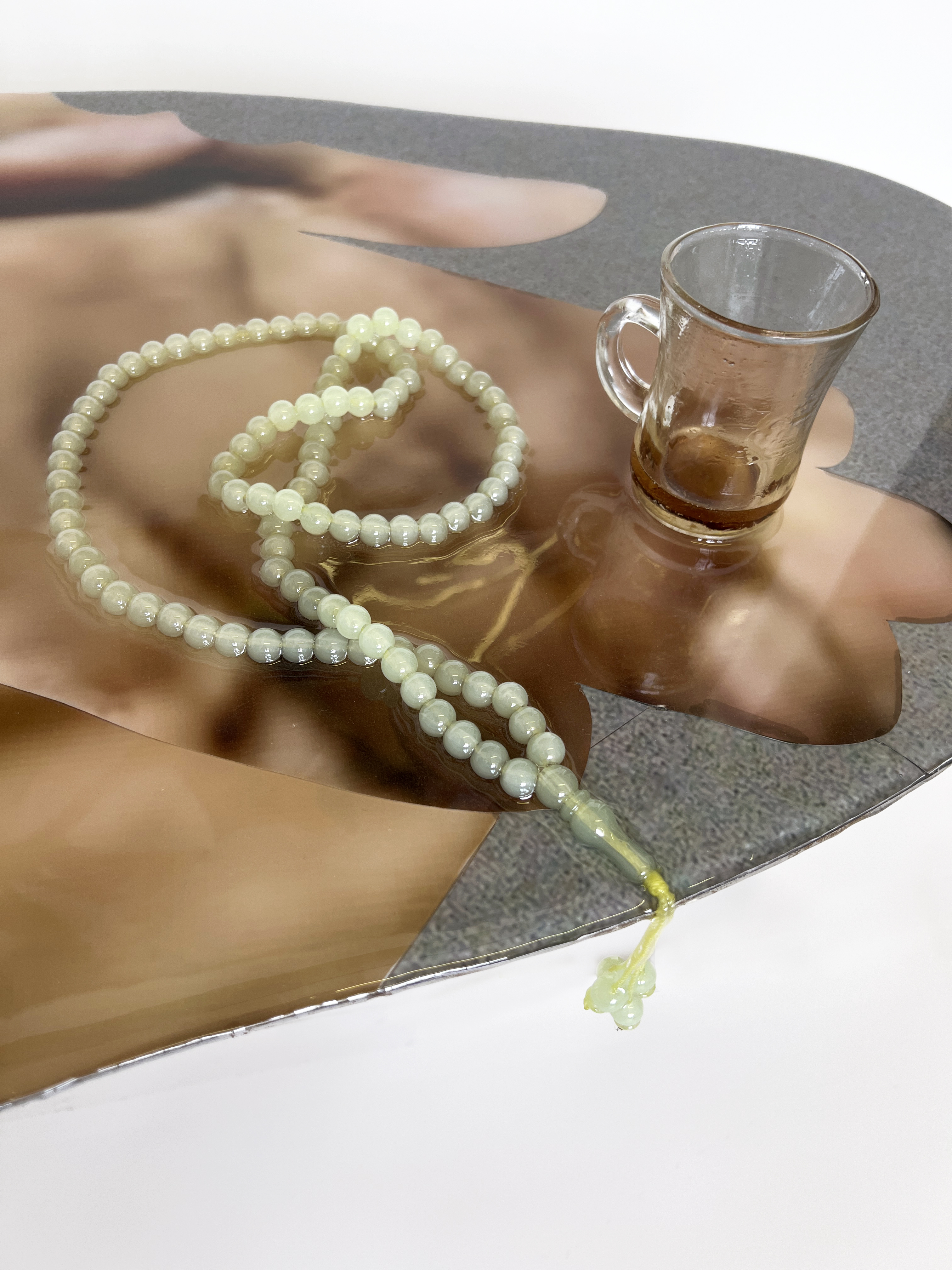
Produced intermittently between 2023 and 2026, the large-scale paintings move between figuration and abstraction to examine boundaries and the limits of representation through arrangements of symbolically charged imagery. The series also includes a video performance, Mother Practices Her Tongue (2026), which abstracts the Arabic language into gestures and sounds that no longer produce coherent meaning. Together, the paintings and video extend Naim’s ongoing investigation into how meaning is constructed through inherited systems such as language, symbols, and ideology.
The fragmented paintings explore boundaries at individual, social, and national scales. Naim investigates these boundaries through multiple lenses—from quantum mechanics, which challenges fixed notions of objects, to biological forms like flora, grains, and skin, which shed, pollinate, and traverse landscapes, to symbols of inclusion and exclusion such as religion and a patrol dog.
Originating from her interest in body tattoos as markers of belief systems, the series treats skin as both subject and medium, with the canvas functioning as a porous surface onto which images are layered. Set against blocks of colour or gradients sourced from Mac desktop backgrounds, images appear digitally “dragged and dropped” and arranged through association rather than linear logic. By leaving space for interpretation, the paintings invite viewers to actively construct meaning— a process reflecting Kant’s idea that understanding arises not from objects themselves but through engagement.
The video work Mother Practices Her Tongue (2026) continues Naim’s earlier minimal video performances, framing the artist like a photographic portrait. The video explores how language shapes relationships to place, and the roles intuition and gesture play alongside the formal logic of language. Naim practices forming Arabic letters and sounds with her mouth, addressing the camera directly. Repeated out of sequence and in isolated units, these letters dissolve into abstract, guttural sounds, losing semantic clarity while retaining affect. Repetition operates as disruption— a glitch in communication— exposing language as a symbolic system onto which meaning is imposed rather than inherently contained.The video considers language as a bodily, sonic, and symbolic system that, like the painted images, becomes an interface through which experience is mediated.
Moving between image and speech, surface and body, From the Perspective of Language asks how meaning is constructed and imposed, and where intuition and affect persist beyond formal systems of representation.


Tender Grain
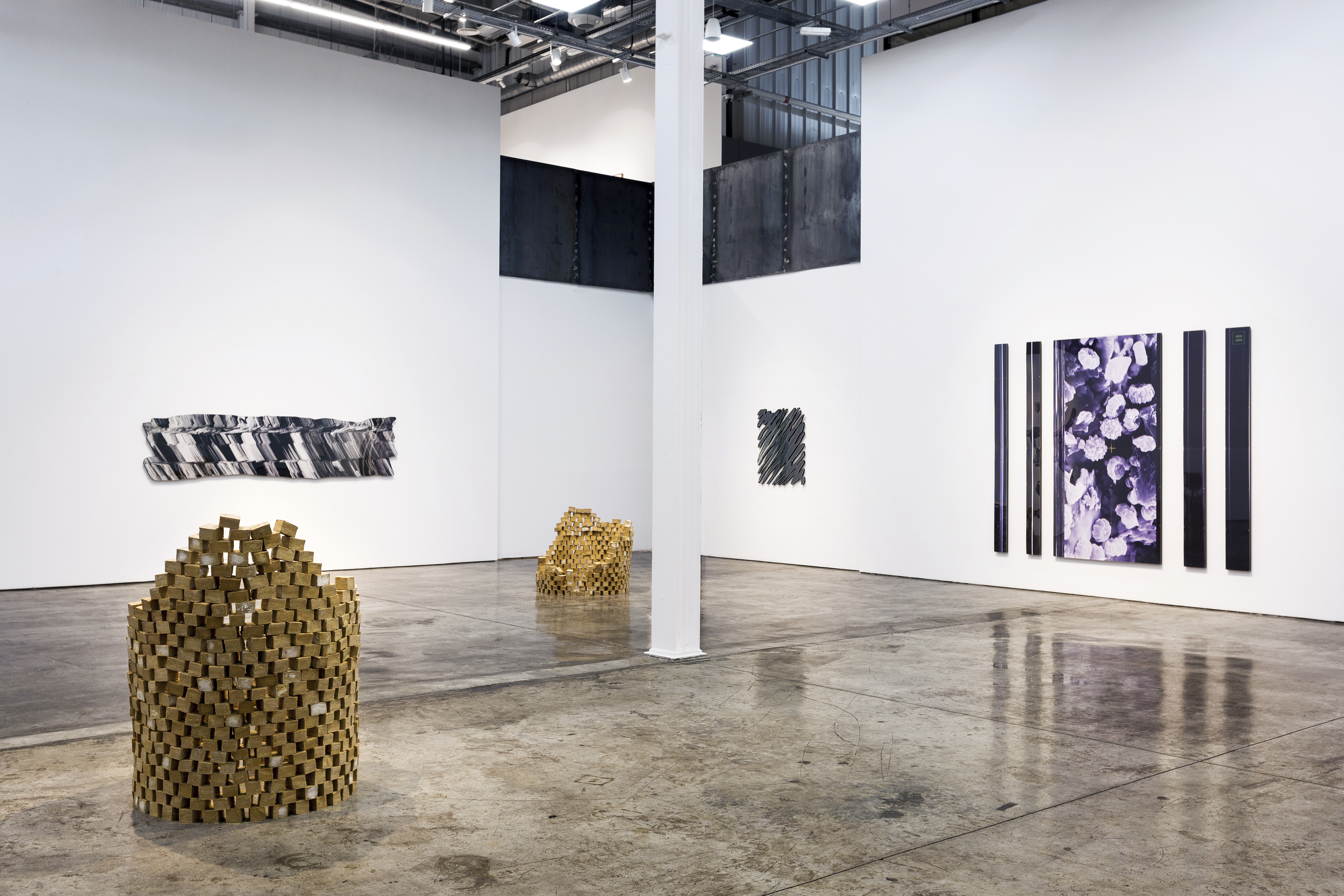
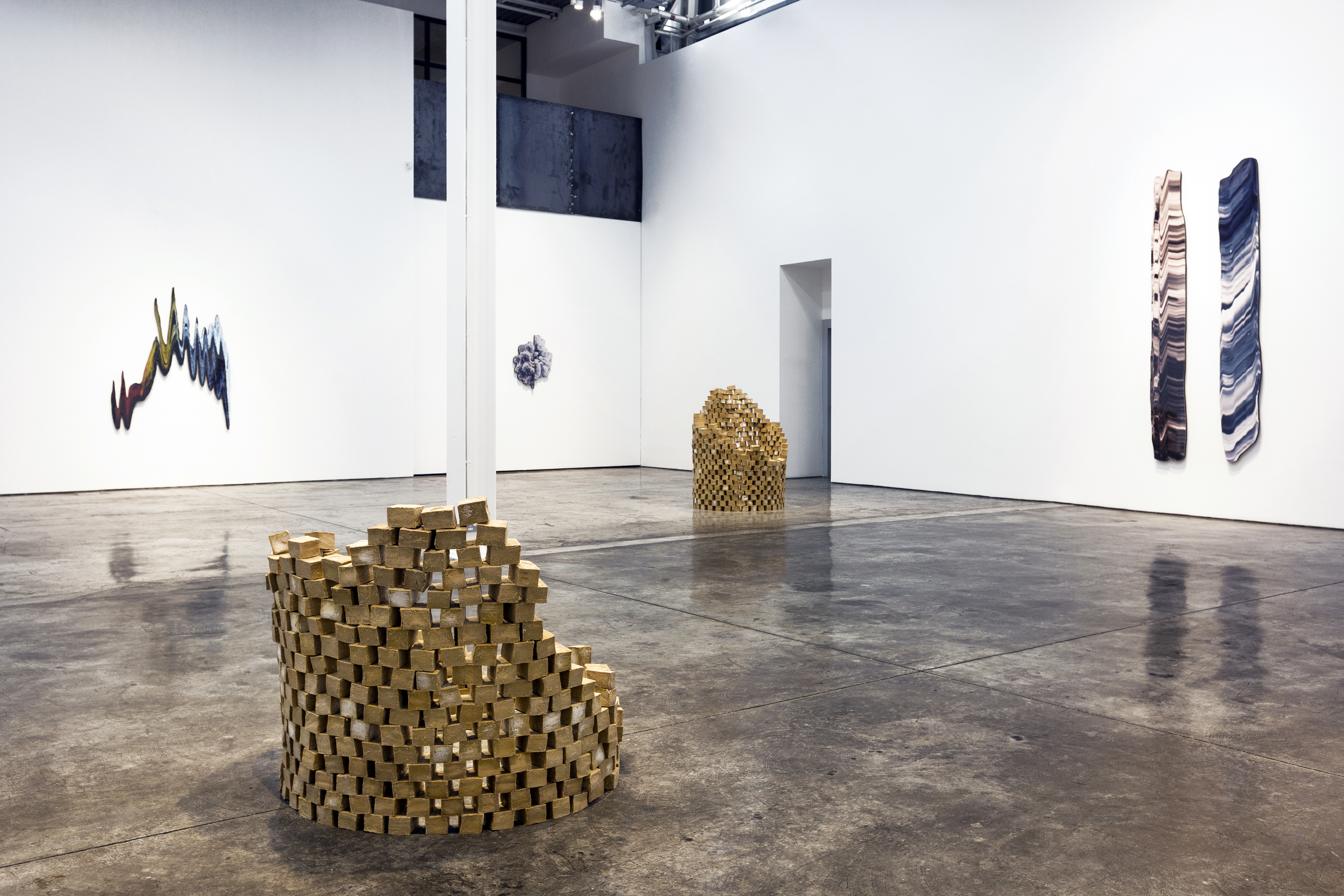
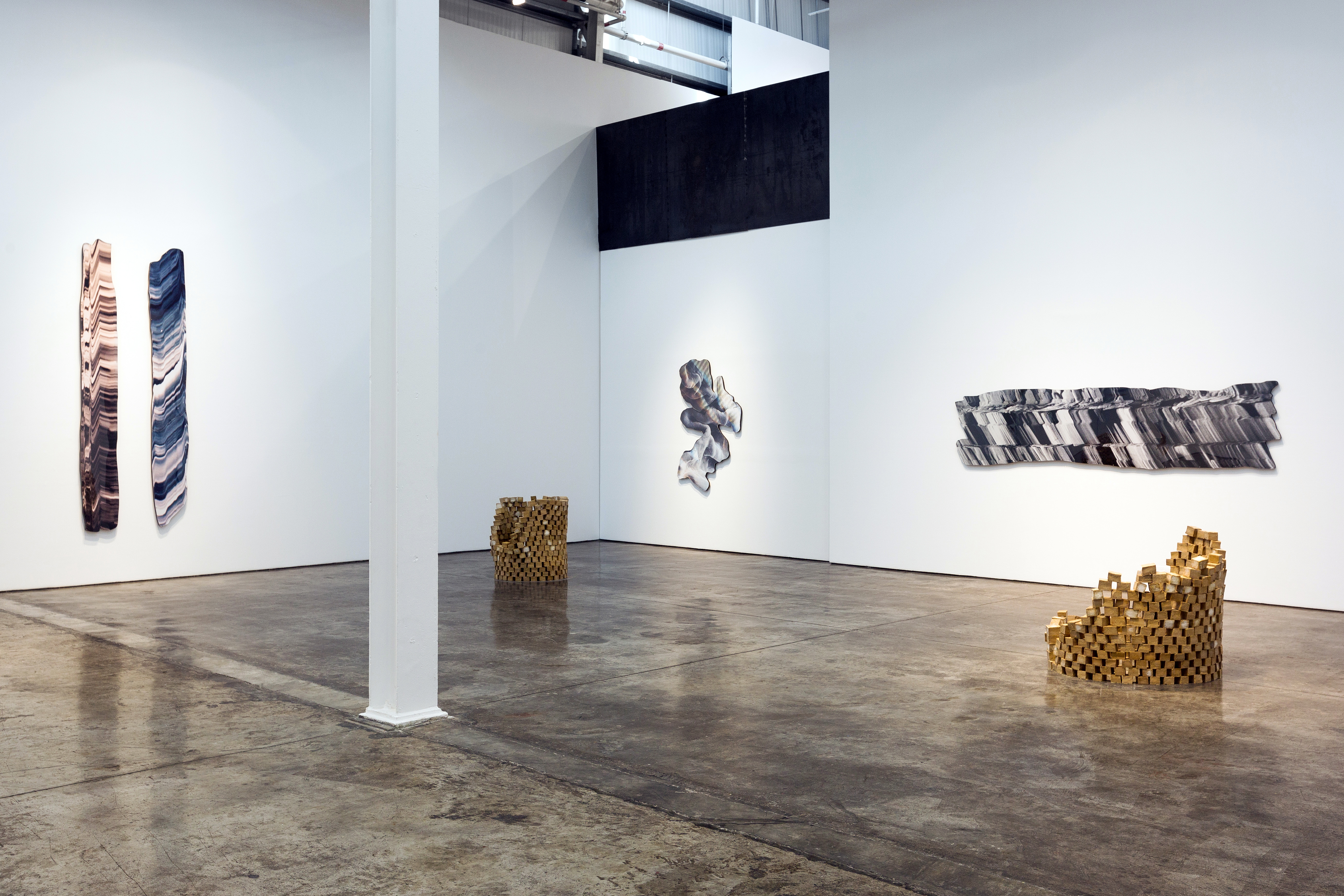
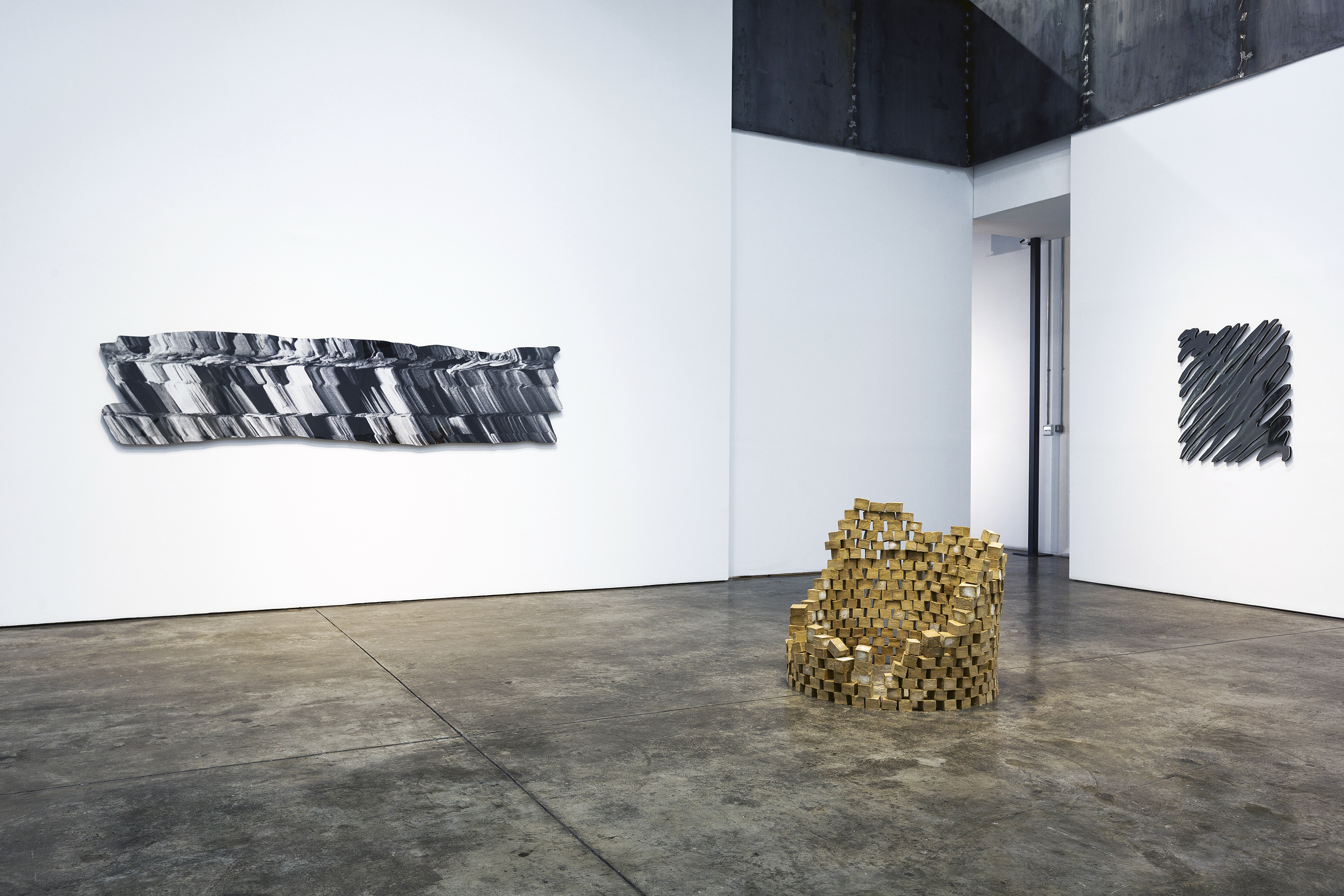
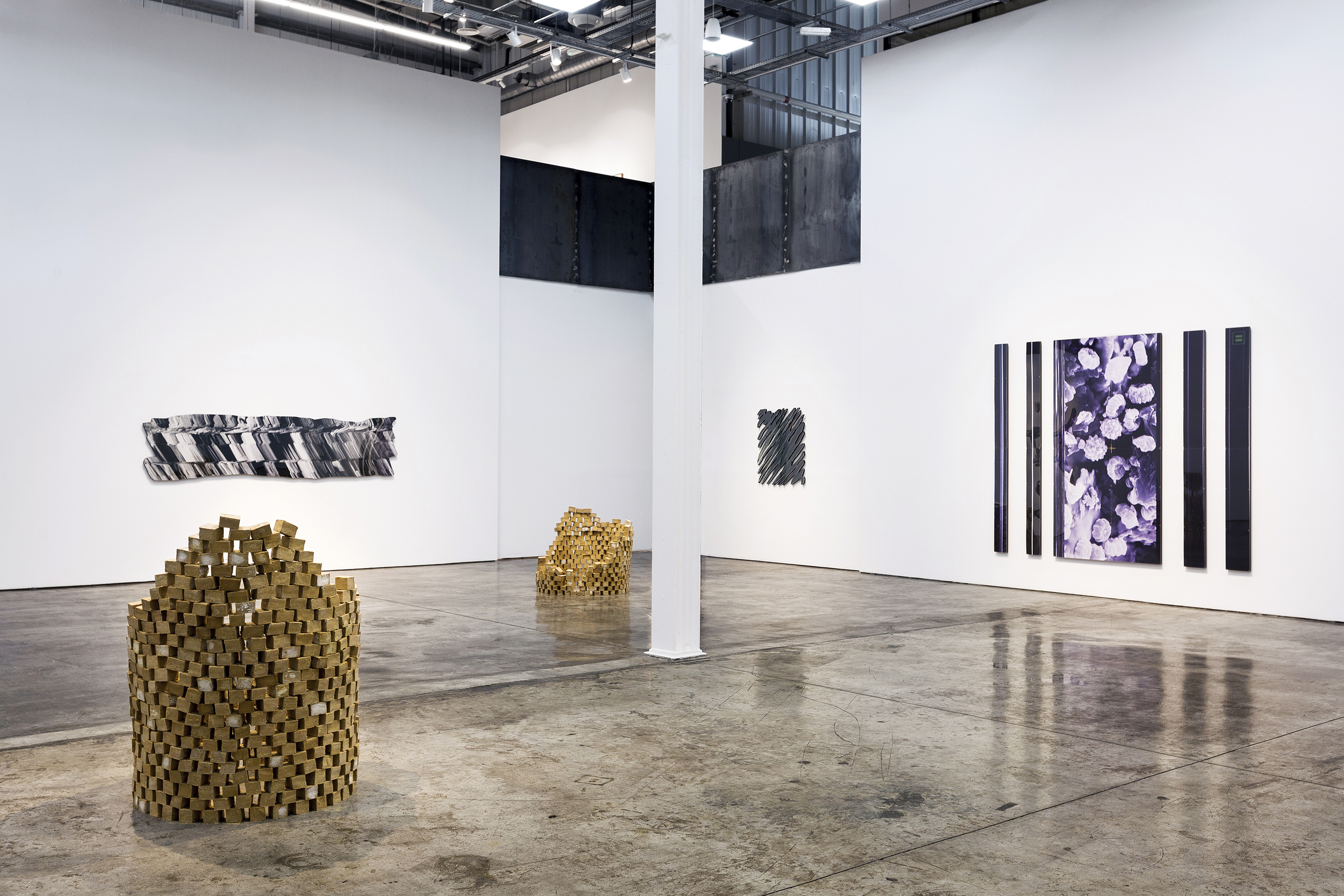
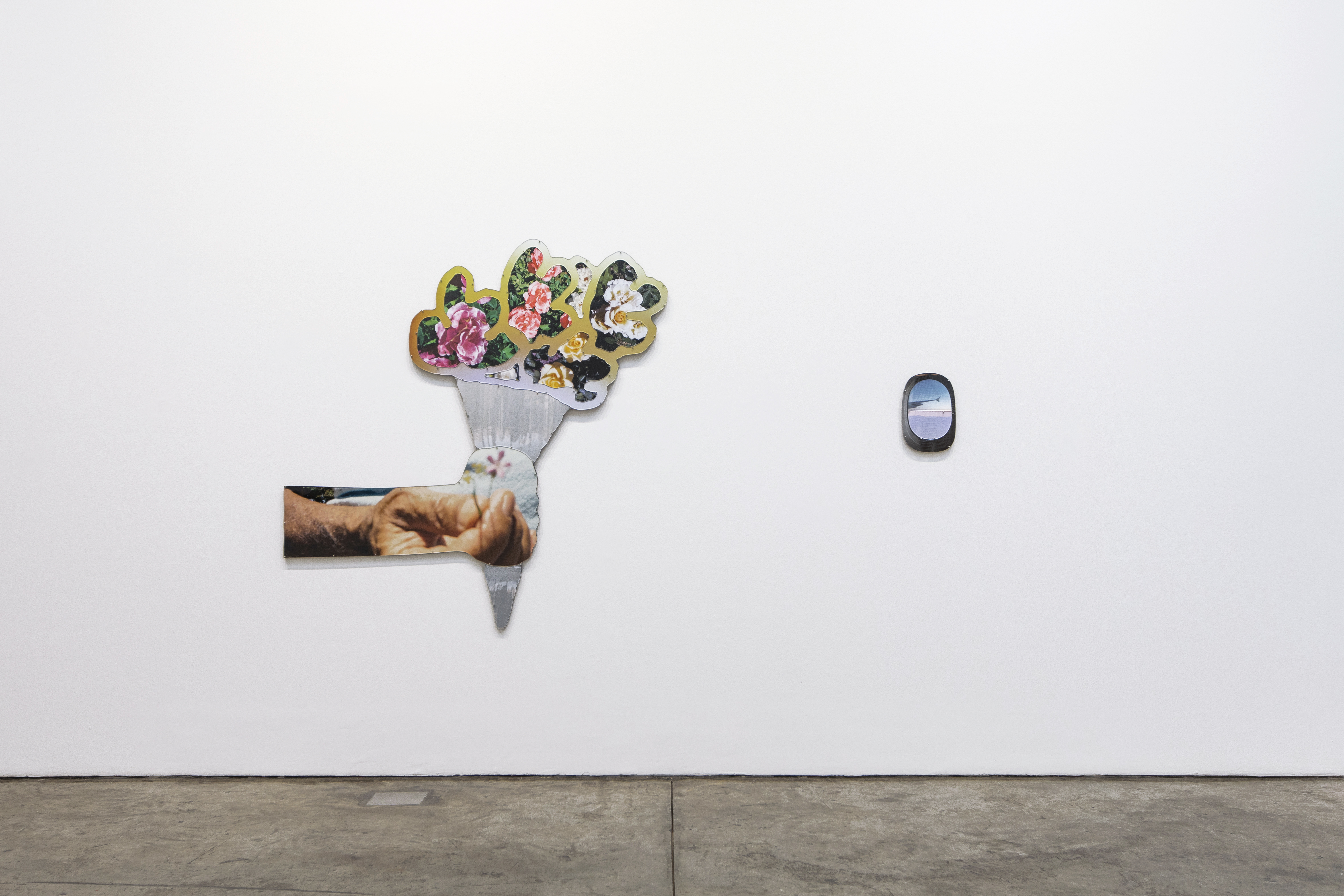
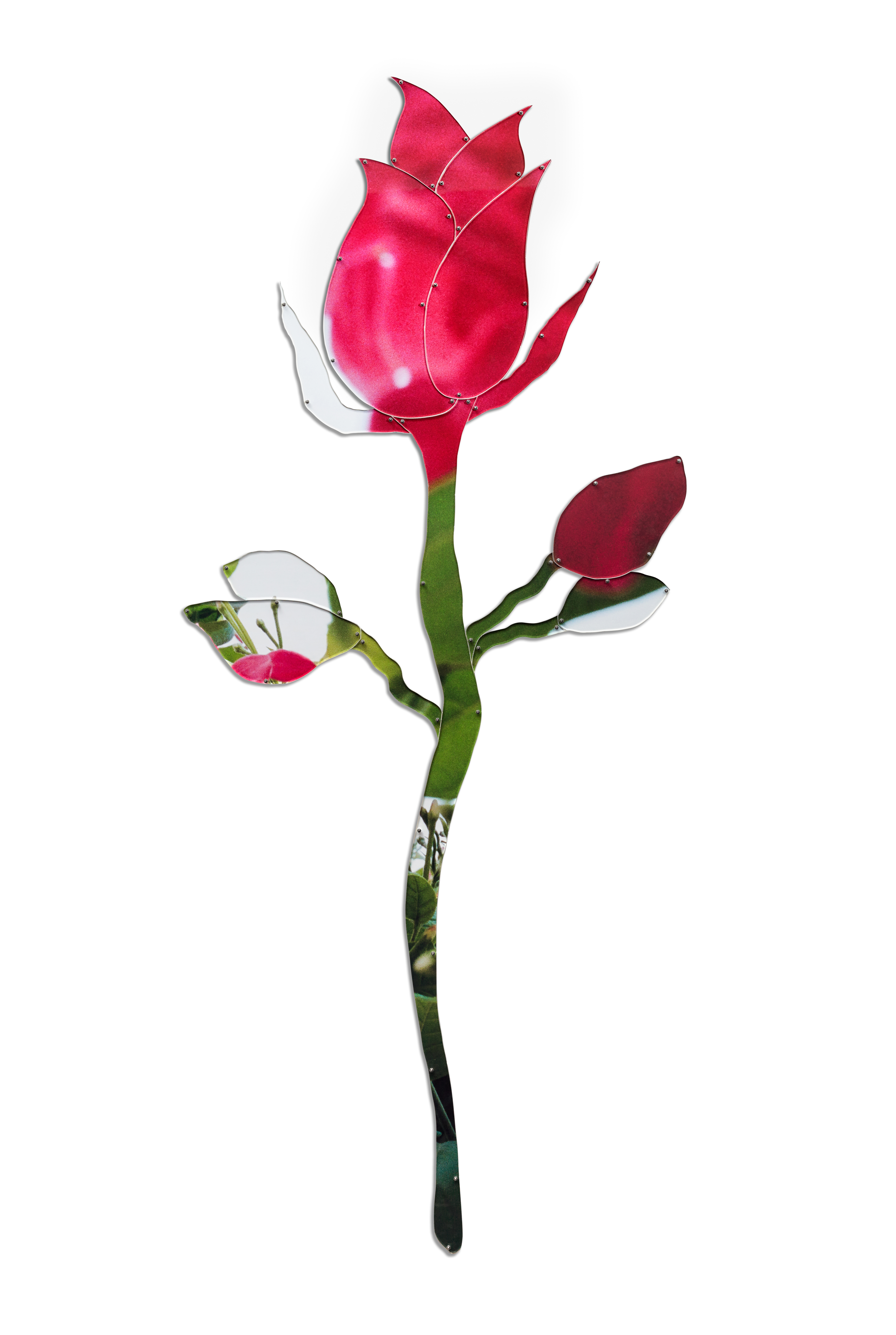
Tender Grain comprises of sculptural photographs referencing reliefs of flora and fruit found on Assyrian monuments. The images contained within the forms depict their present-day counterparts, some of which no longer exist within Syria due to shifting borders, plant migration and extinction. Tracing these changes opens questions around our relationship to land and borders, and how plant migration can parallel human migration through processes of adapation, displacement and the formation of diasporic communities.
This botanical mapping of the Levant also considers smell and its ability to create a strong dientification with a particular place, and how this attachment cna limit our perception of connectedness beyond borders. As a Syrian, I feel a strong affiliation with Syrian land and, through that identification, can perceive neighbhouring territories as separate - even present-day Lebanon, depsite the two territories’ historically shifting political boundaries. Jasmine, in particular, acts as an anchor to this identification with place. The work asks whether differentiated cultures and our affinity wiht ancestral land ultimately reinforce separation.
The enlarged, pixelated images within the sculptural forms reflect my interest in proximity and distance in relation to Syria- my homeland, which was inaccessible to me for 15 years. As the images are enlarged, greater proximity produces less visual information, complicating ideas of connection and disconnection. Landscapes shift, borders evolve, and ecologies and geologies transform, raising the question of whether our relationship to land changes with them.
The collage pieces reassamble scraps from other flora images within the series to illustrate plants and people’s need to congregate into an evolving broader ecosystem. The background features an extremely magnified handshake of the now ousted Syrian president Bashar al-Assad, slowing down the gesture to explore how a simple act of two hands meeting can carry implications for people and their land.
(selected works)




Heartstrings Collapse
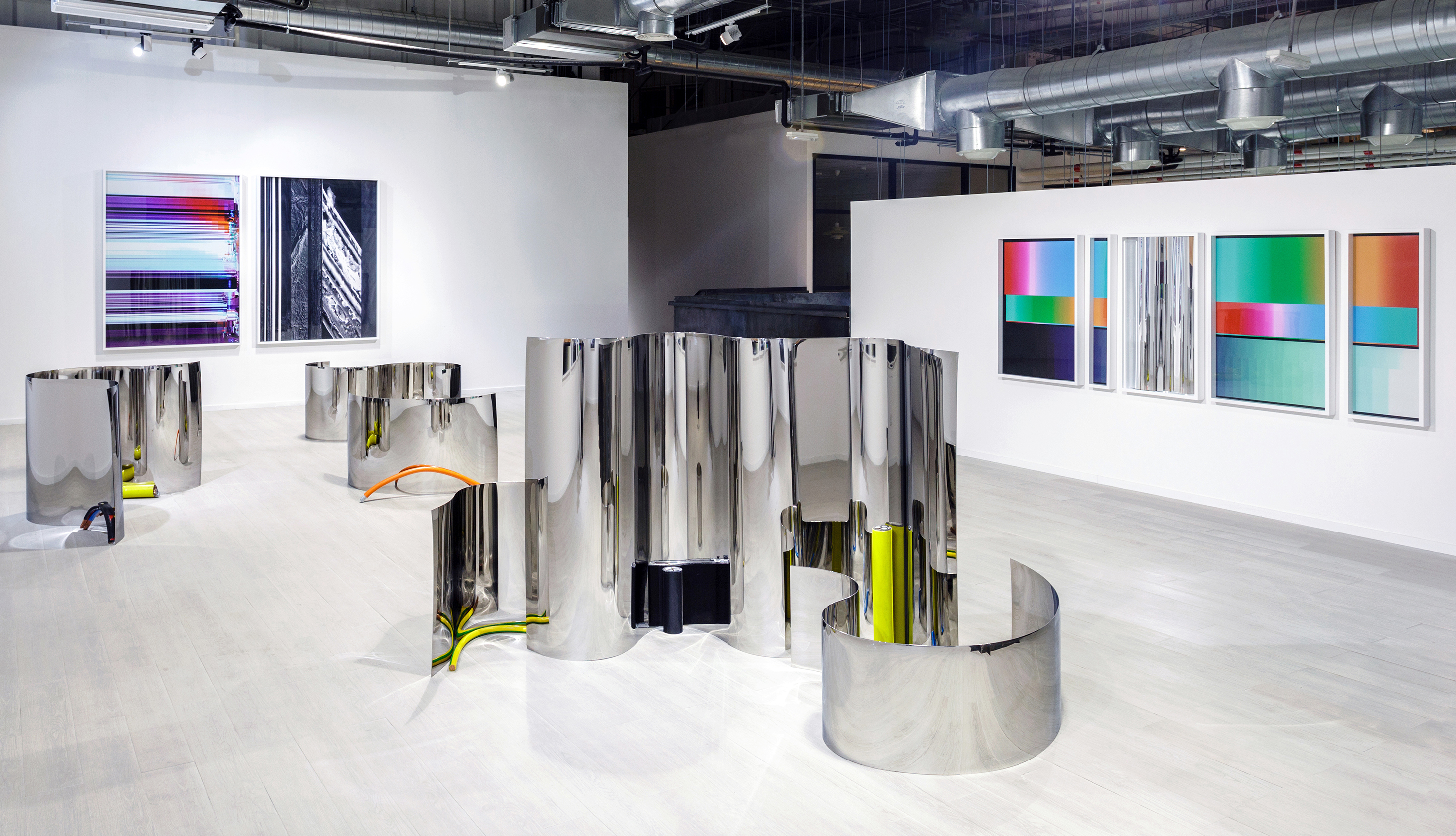
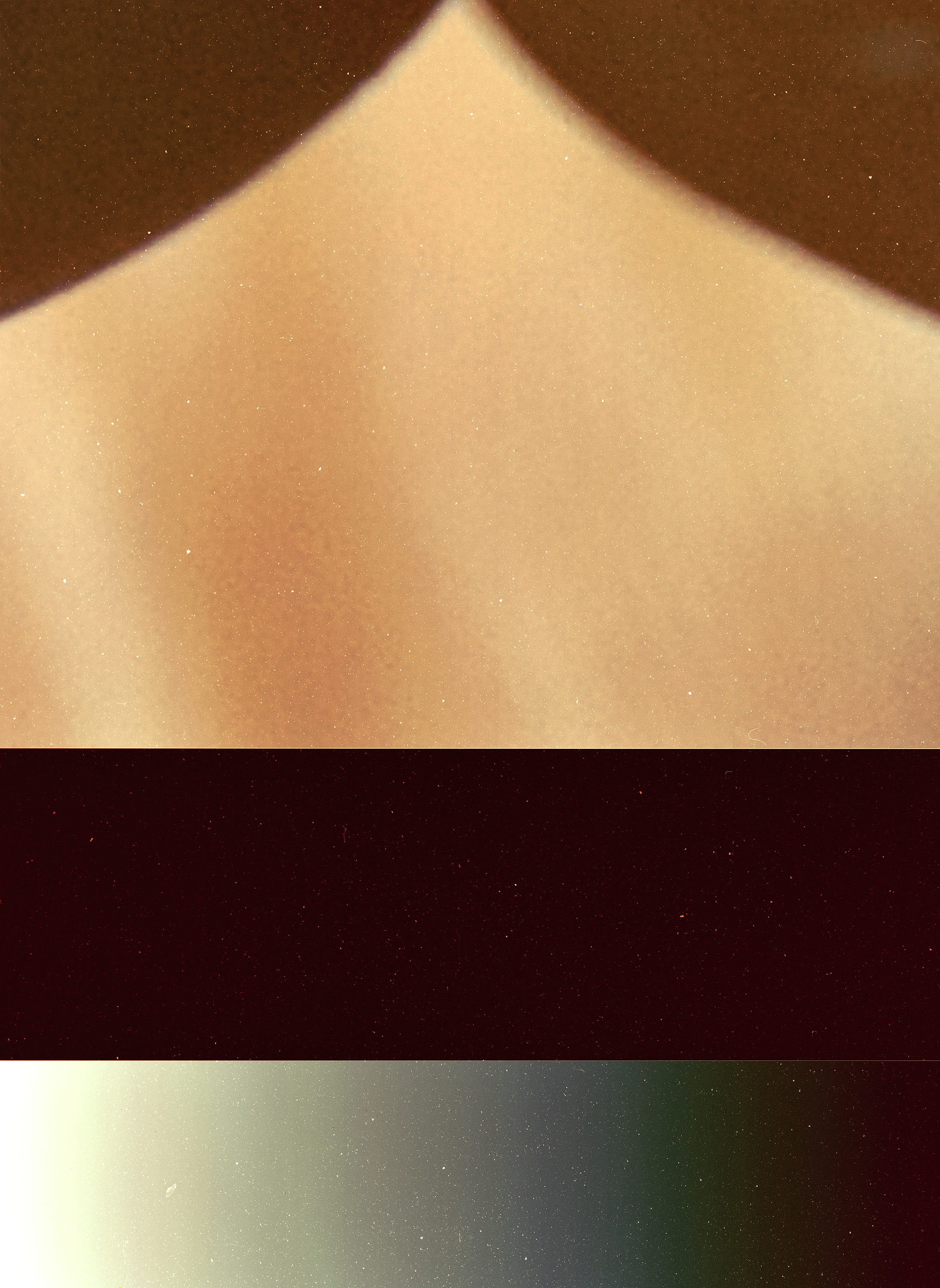
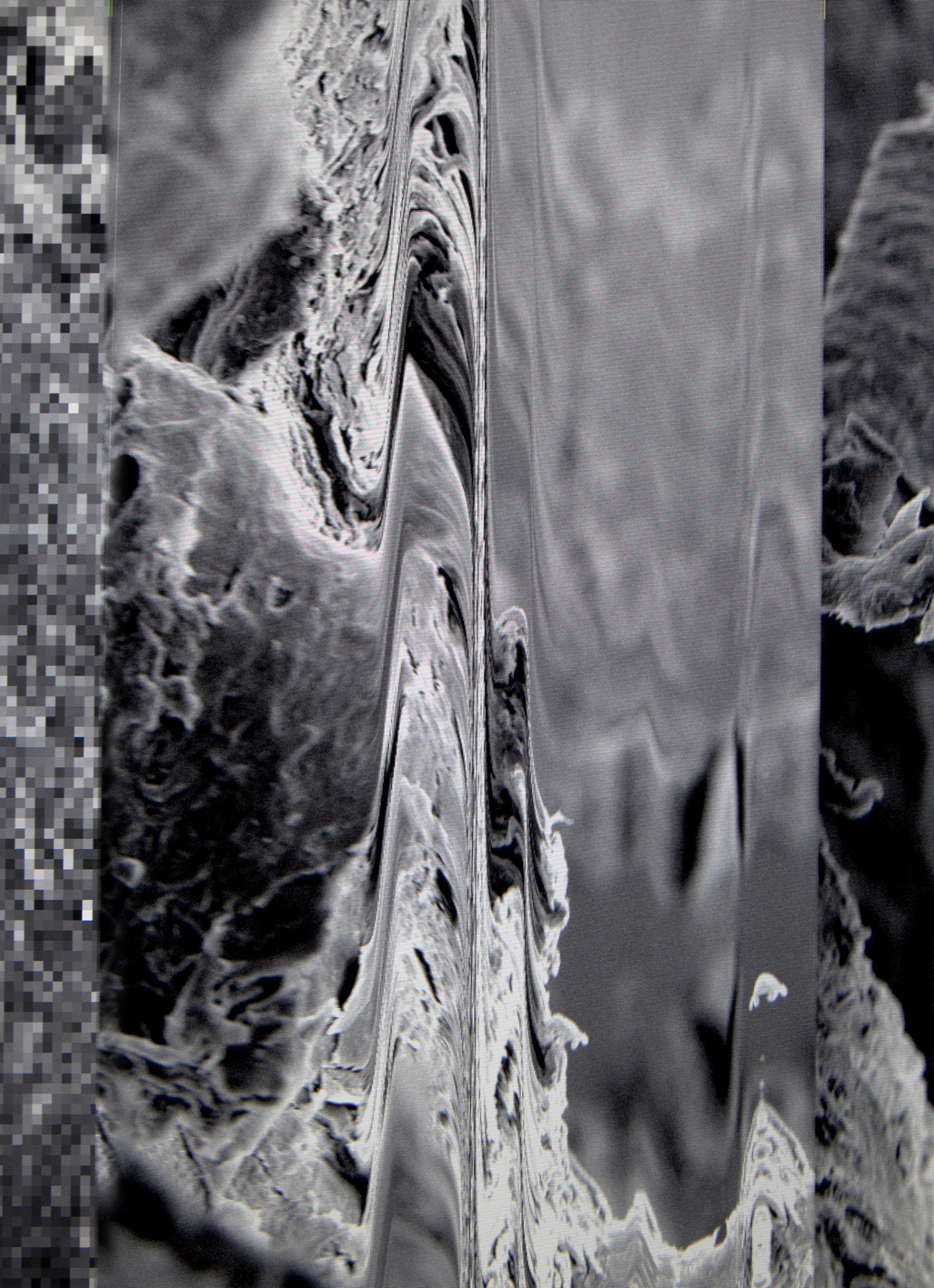
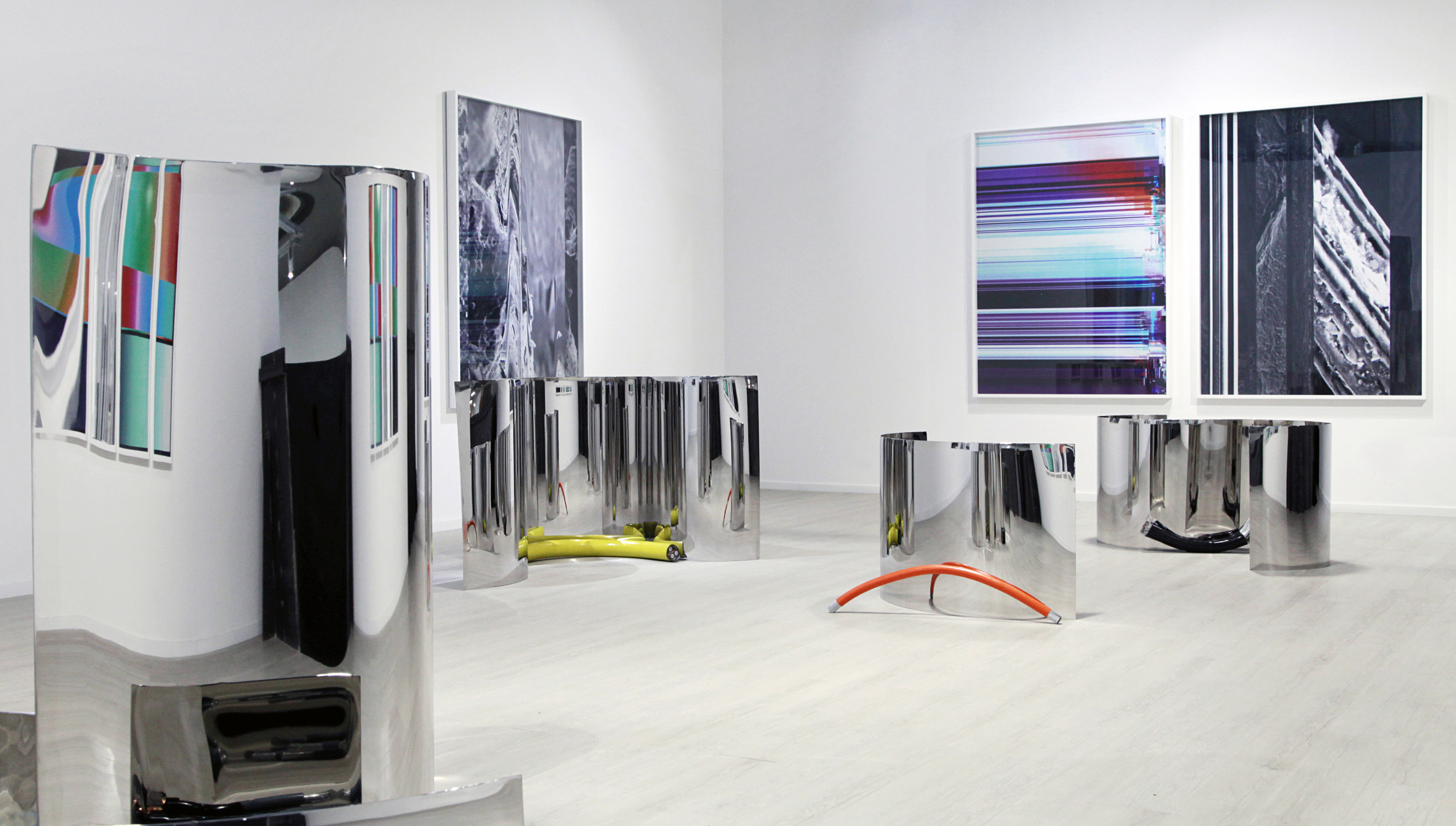
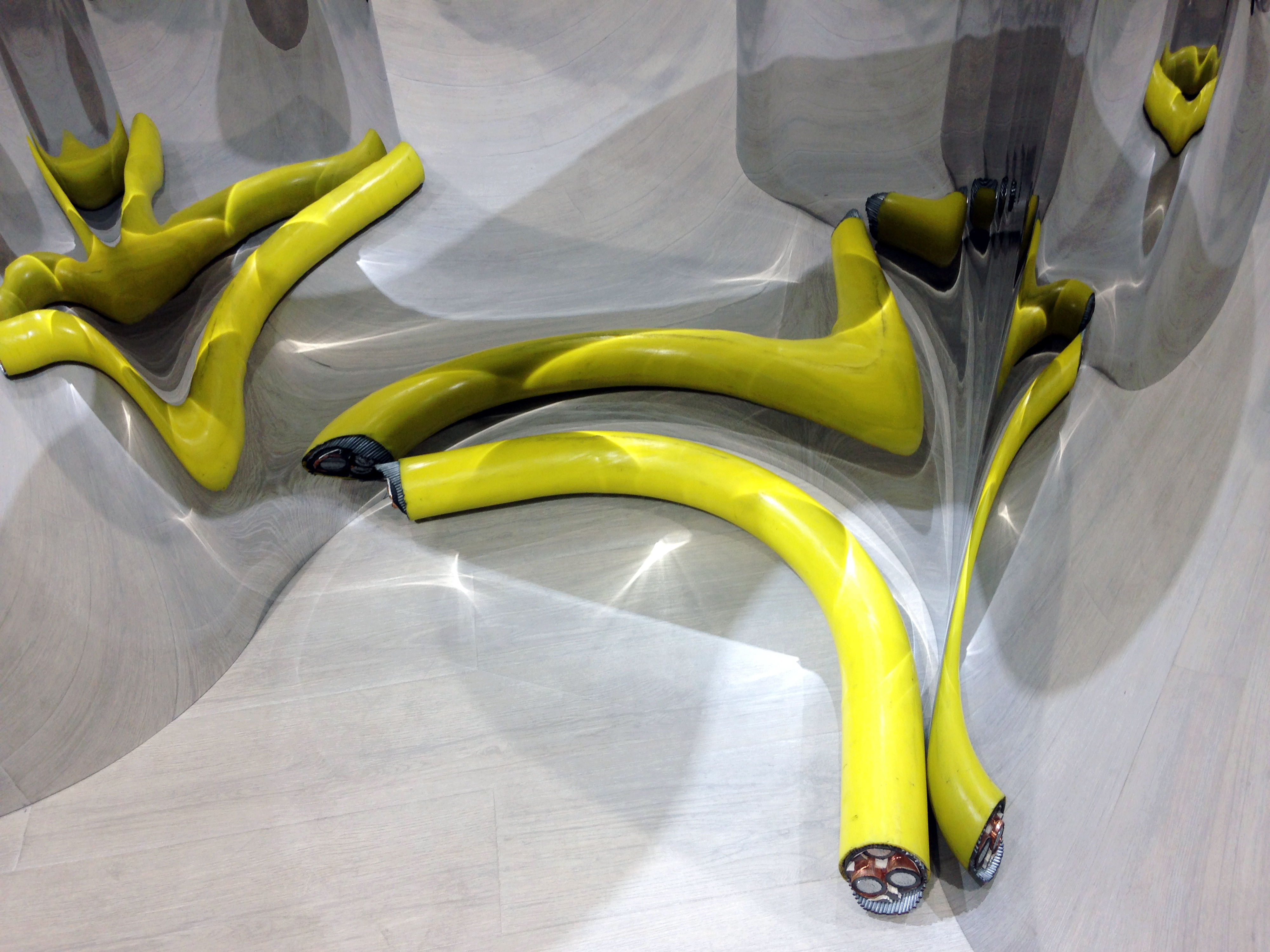
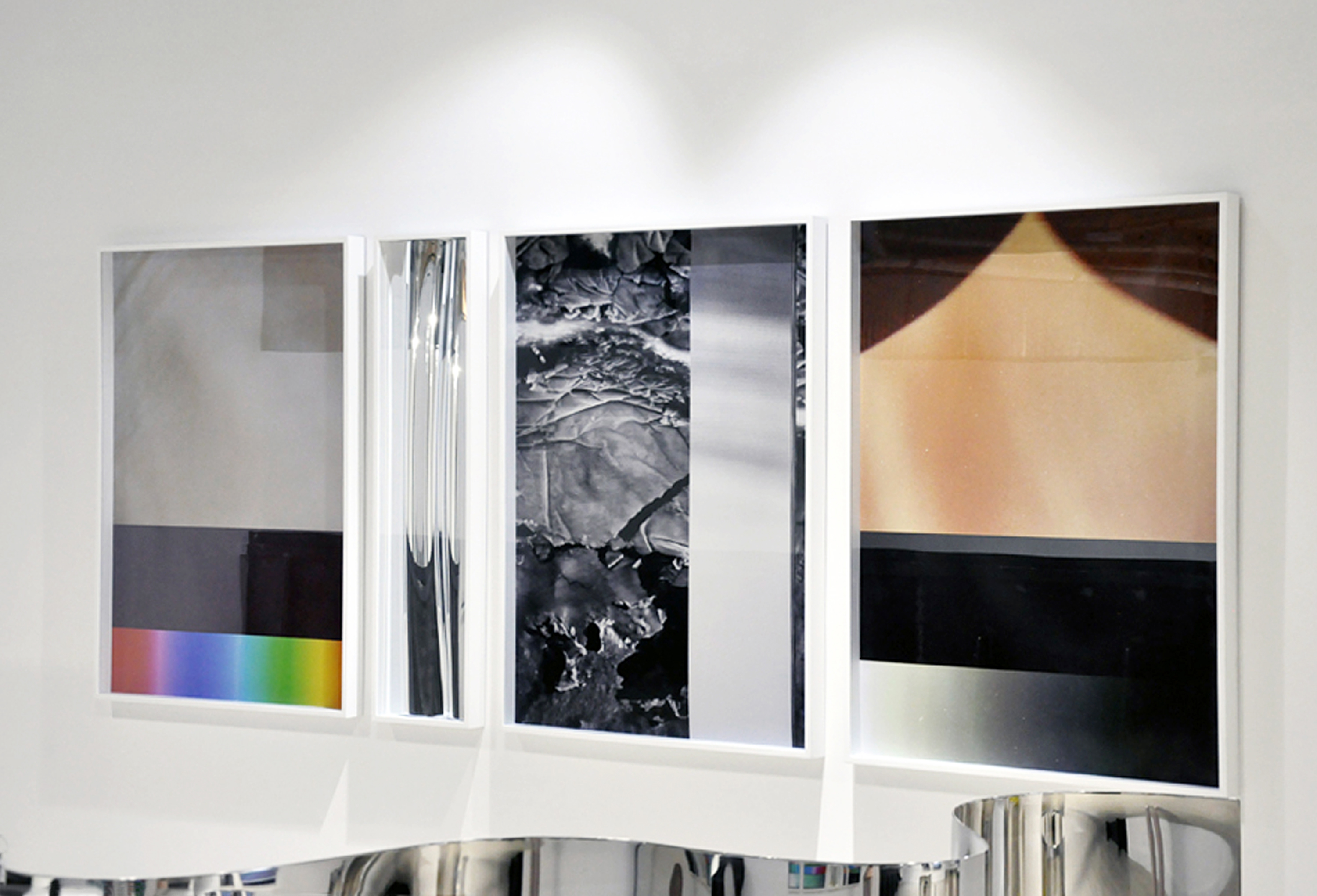
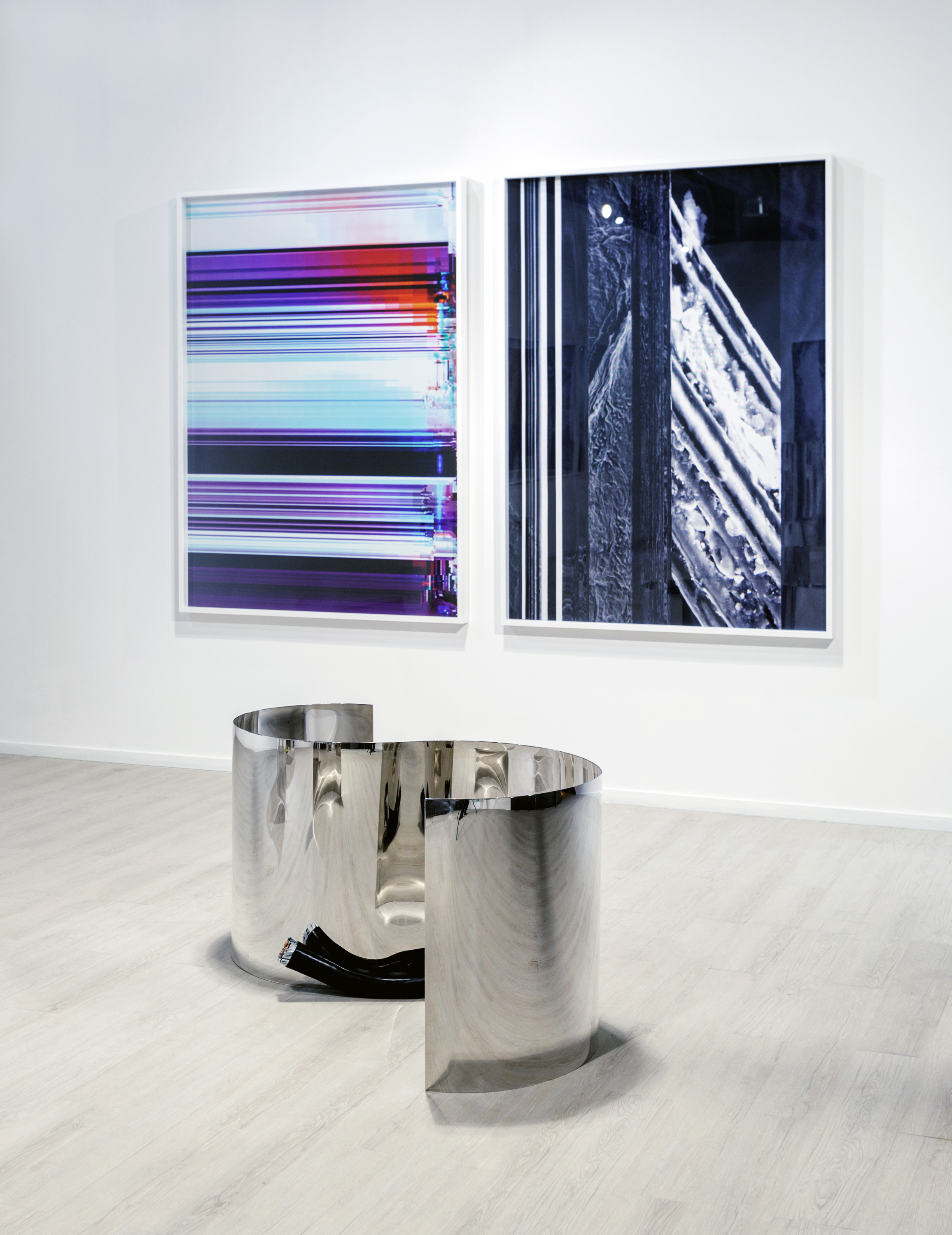
Heartstrings Collapse explores the cross-over between physicality and emotionality. Glitches, which appear through a microscopy photographic process, describe the relationship one has to their own internal body: Inherent but unfamiliar. They behave as vulnerabilities in the technology’s anatomy, abstractly exposing themselves. Although internal workings aren’t typically seen, emotions physically manifest themselves through involuntary malfunctions, like a stream of sweat down the forehead from anxiety, cheeks turning red from embarrassment, or a choke when lost for words.
The series adopts such physical manifestations of emotions as image titles, such as Tremble, Sweat, Choke, Twitch, Palpitate and Blush.






Rose Tinted
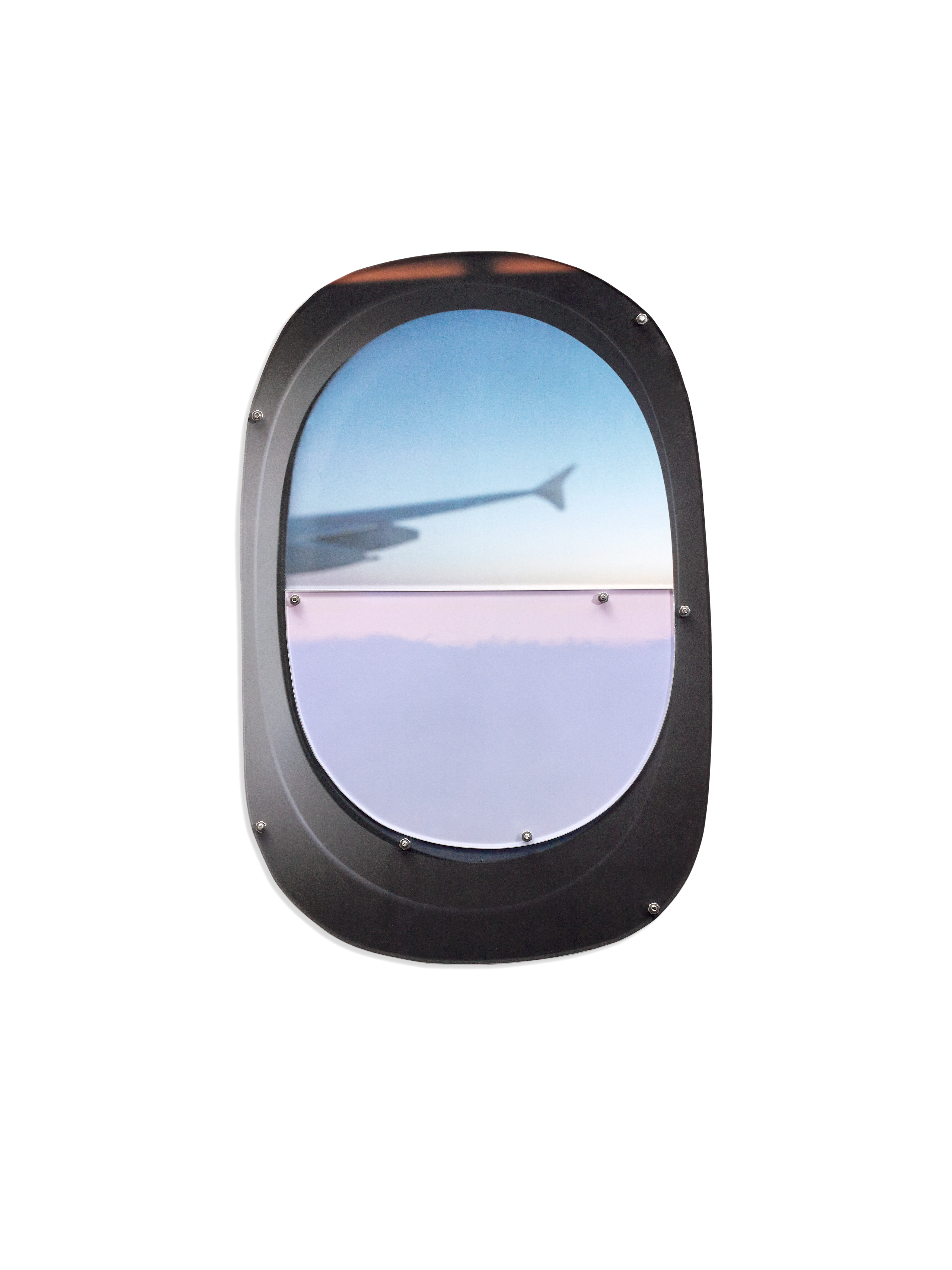
Rose Tinted investigates the notion of perception and how it’s shaped through expectation.
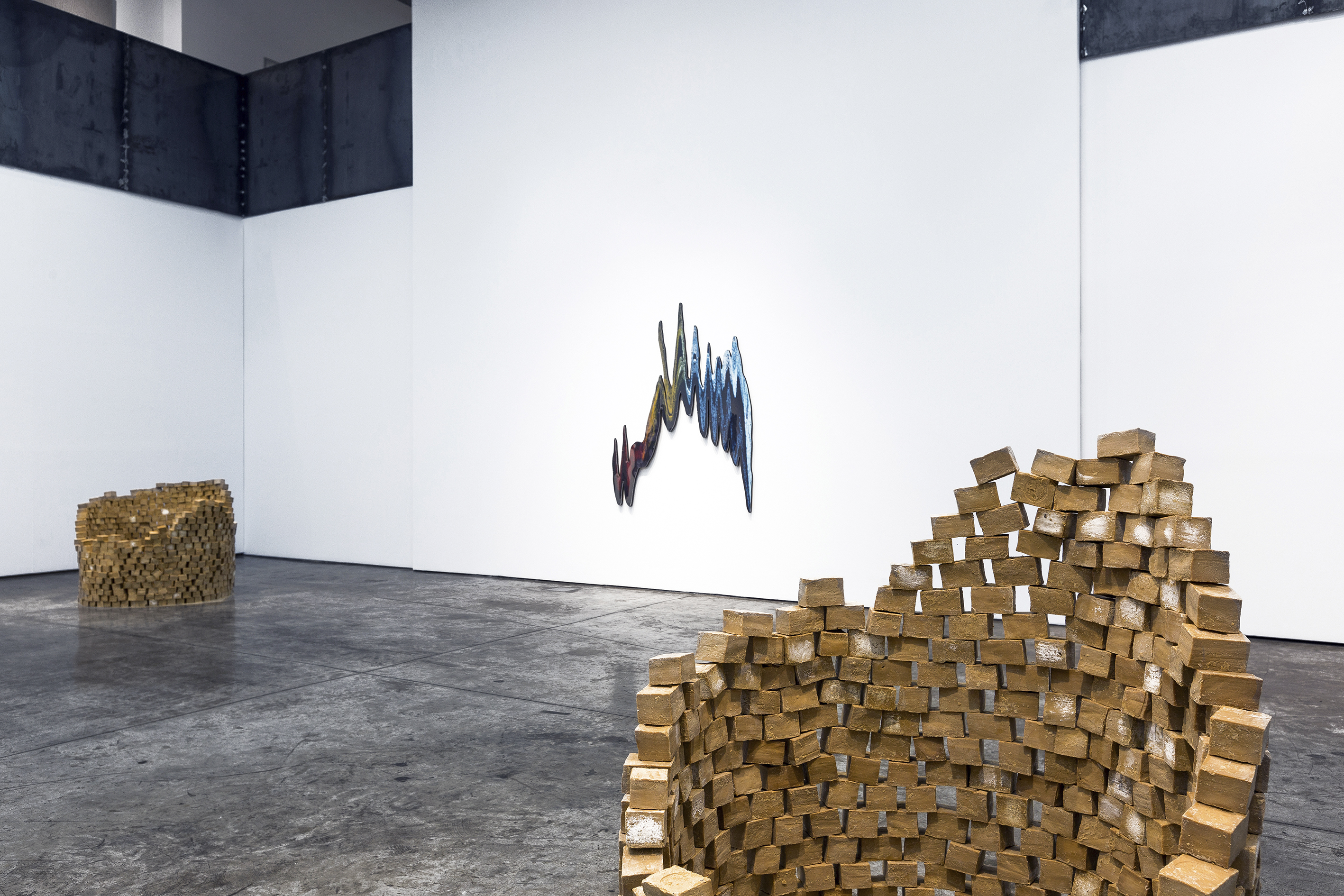
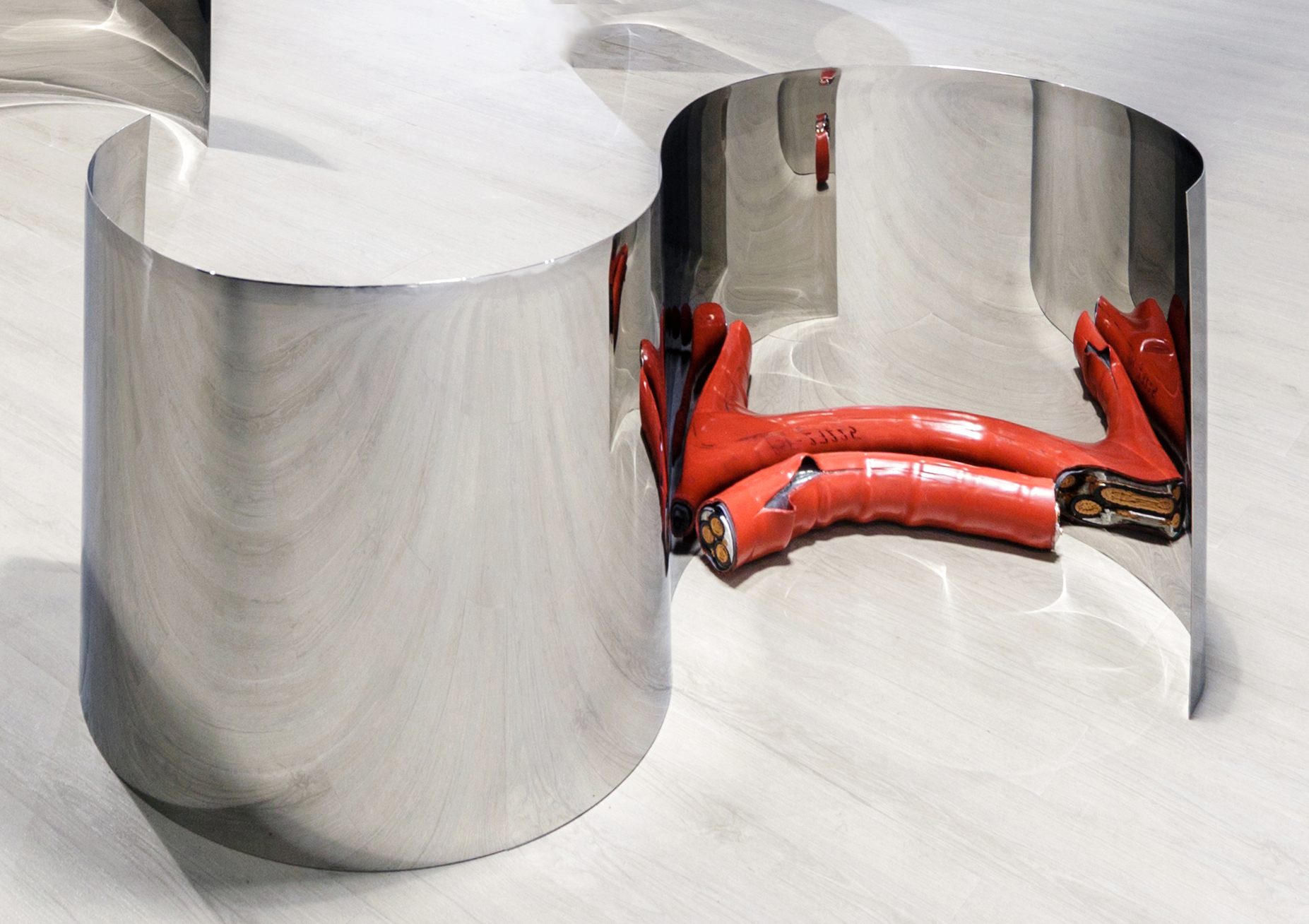
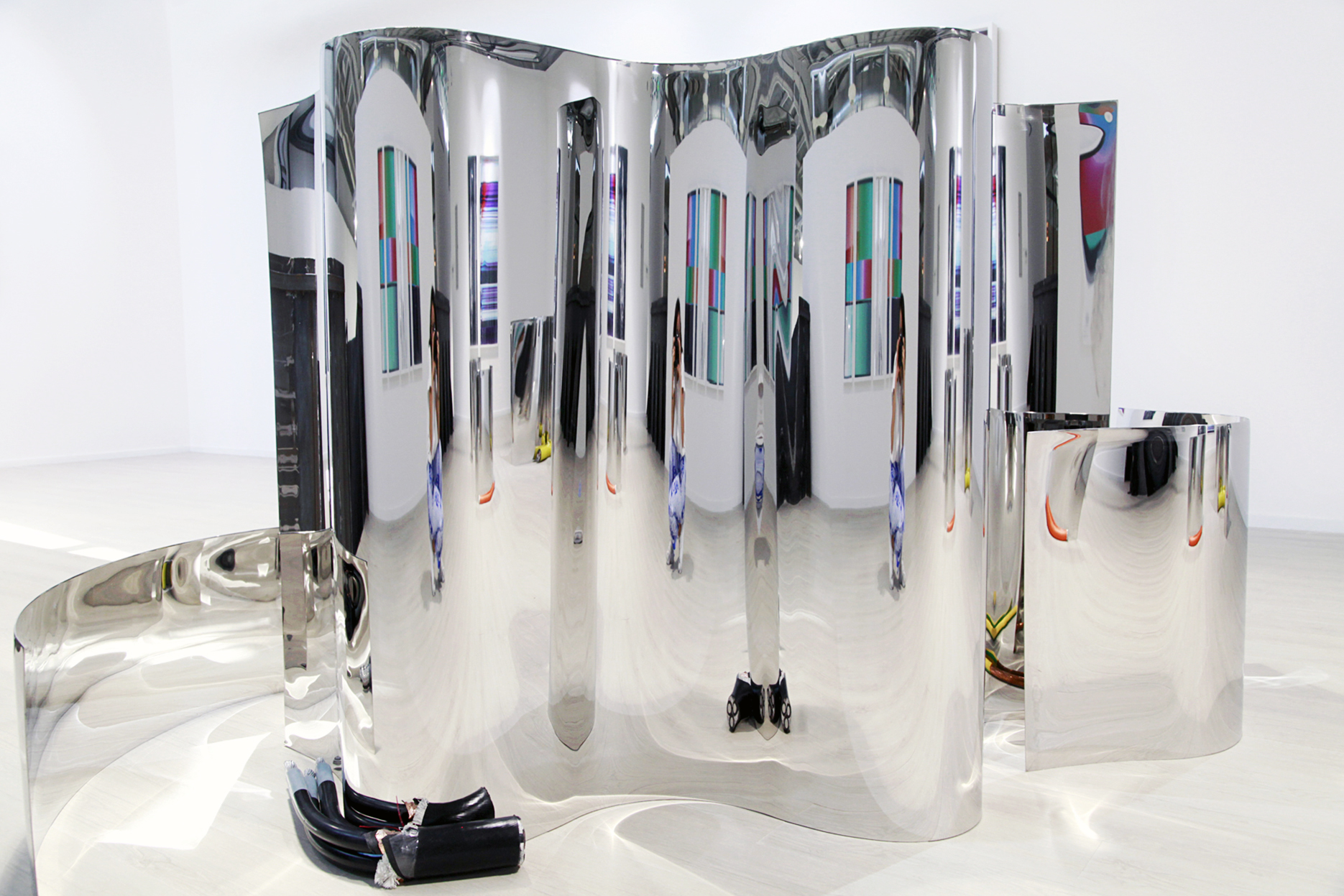
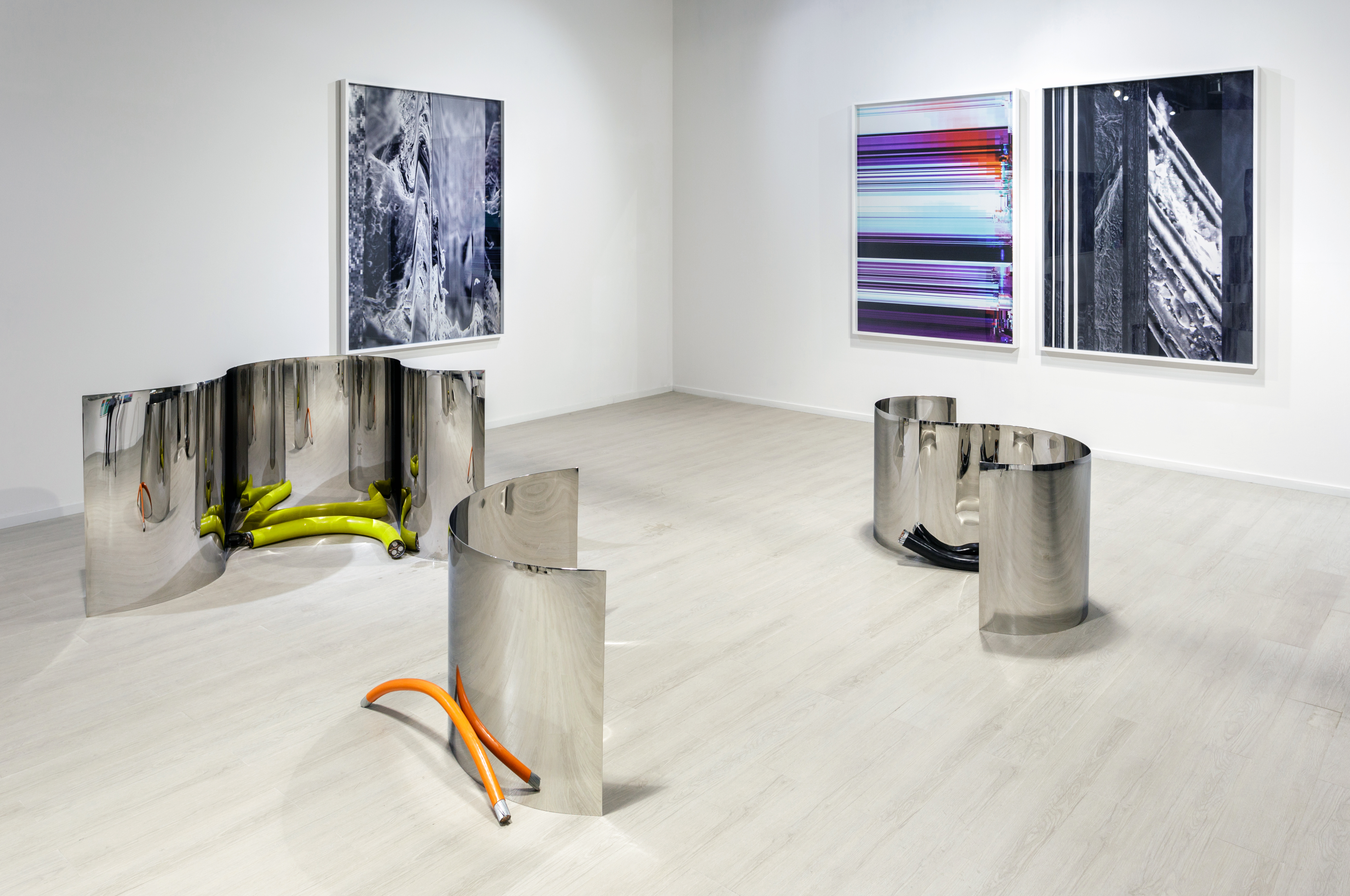
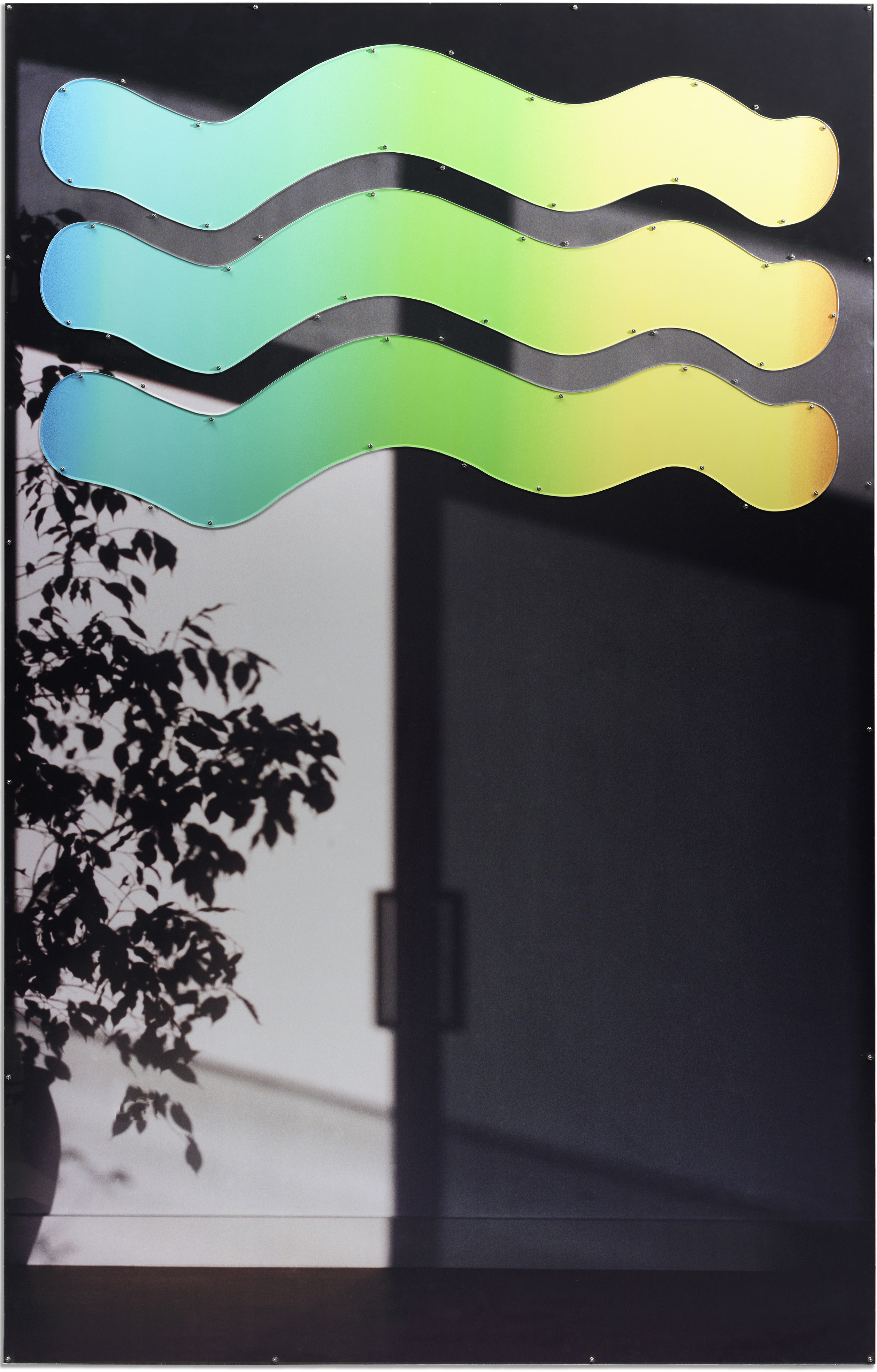
The sculptured landscapes are shaped by generalised depictions of utopic scenes, forming trees, mountains, city scapes, a sunset. The photographic depictions, however, do not match their surrounding shape. This misalignment stems from the contradiction between the ideal and real, or the perception of something and its reality.
The series builds upon my preoccupation with borders, examining how they emerge from our expectations. In this ‘medium scale world’, the perception of division, lines, and boundaries are ingrained. Our anticipation of borders not only enhances their significance but also molds our understanding of them. Ultimatley, our expectations fundamentally influence our perception.




Building Blocks
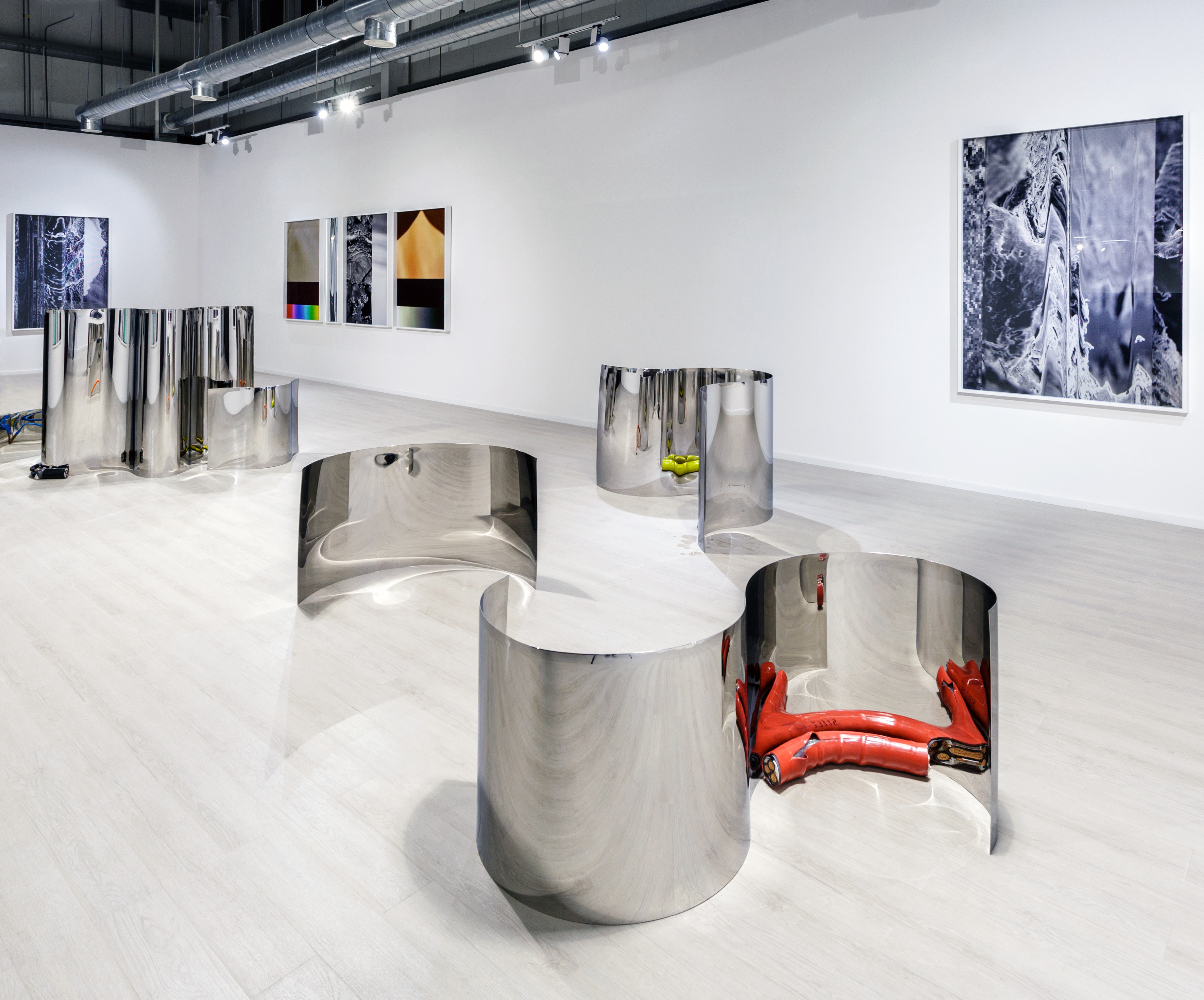
“Building Blocks extends the artist’s preoccupation with micro images and dichotomies between proximity and distance, into an examination of memory and cognitive associations. This series maps the cellular make up of three elements meaningful to the artist: jasmine and soil from her grandmother’s Damascus garden, and Aleppo soap. Triggers of olfactory memories sourced from Sara’s native Syria, the protagonists of these works awaken thoughts of things and places she associates with the realm of the familiar, yet also perceived as foreign.
Using a Scanning Electron Microscope, Sara captures the cellular structure of each sample. The large-scale renditions include deliberate glitches such as formal distortions, light leaks or reticle crosslines—interferences that further abstract the works and hint at the imperfection of memory and longing.
The organic shapes that imitate topographies Sara randomly encounters during her scanning journey, explores the relief of all three samples morphed into one. Ensues the uneasy realization that coming closer is here synonymous with grasping less.” Coline Miliard